Fostering a polycentric, compact, mixed-use, and connectedcitythatsupportsqualityoflife, economicactivity, and ecosystemconnections.
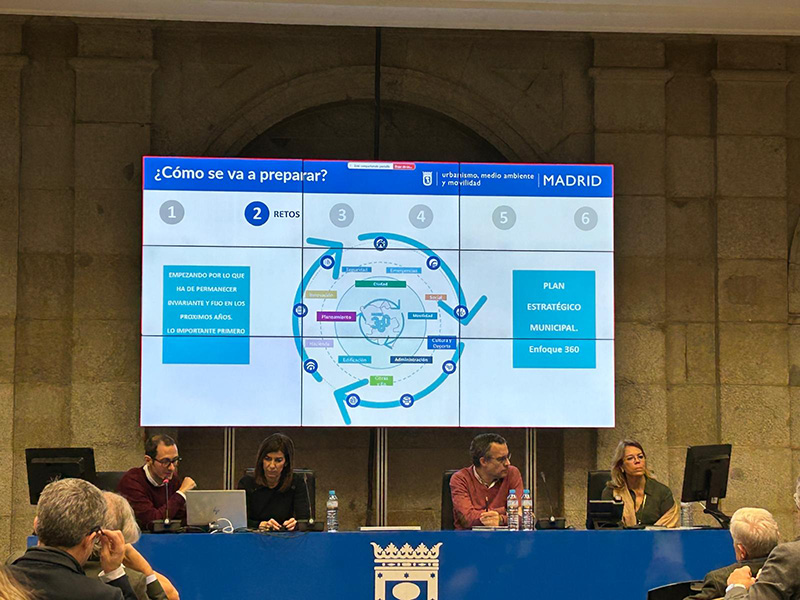
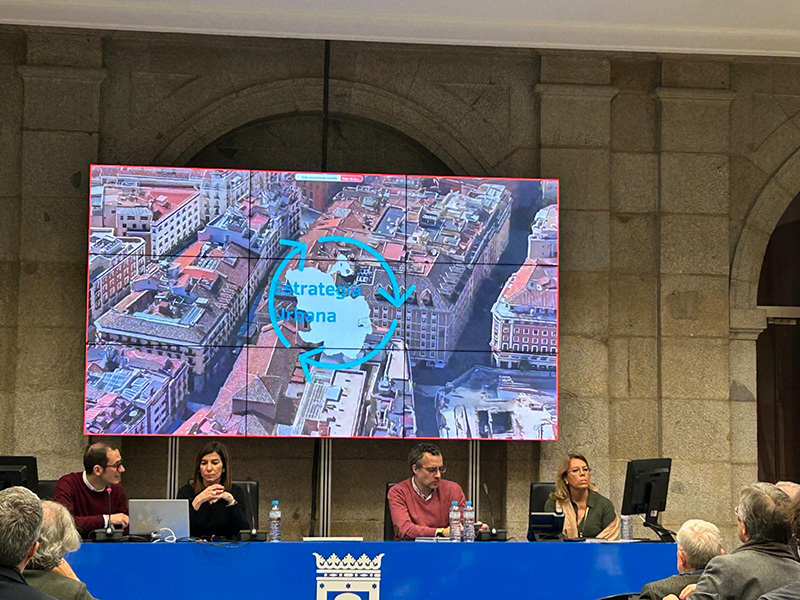
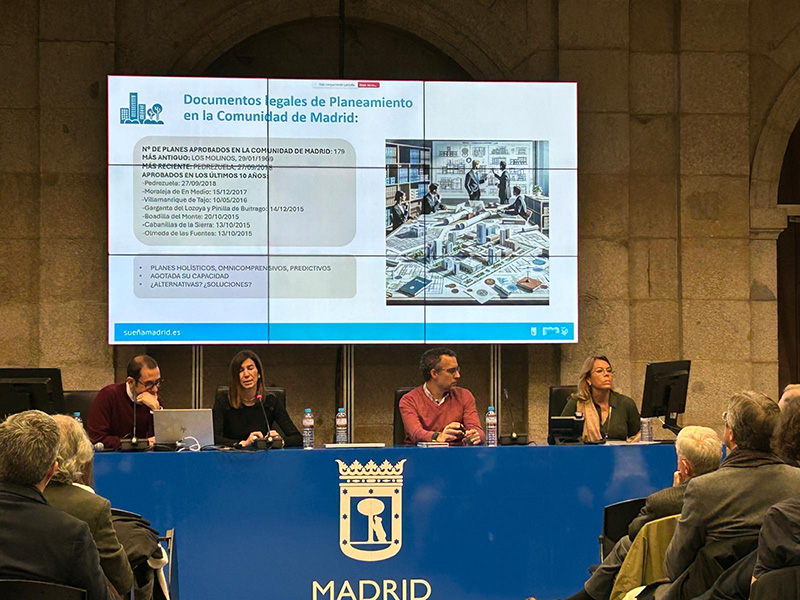
In anincreasinglycomplex and changingurbancontext, Madrid faces thechallengeofdefining a long-termstrategythatrespondstothe social, economic, environmental, and technologicaltransformationsofthe 21st century. The City Model Working Group seesthe Municipal Strategic Plan as anopportunityto define a systemic and strategicvisionforMadrid’s future, one thatgoesbeyondisolatedurbaninterventions.
Participants from the public, private, and third sectors
0
Working sessions
0
Working groups
0
Participants
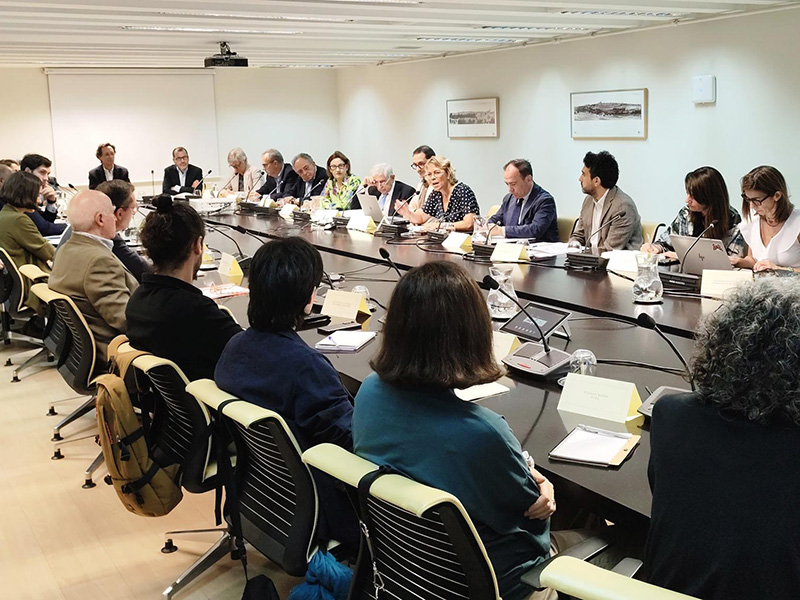
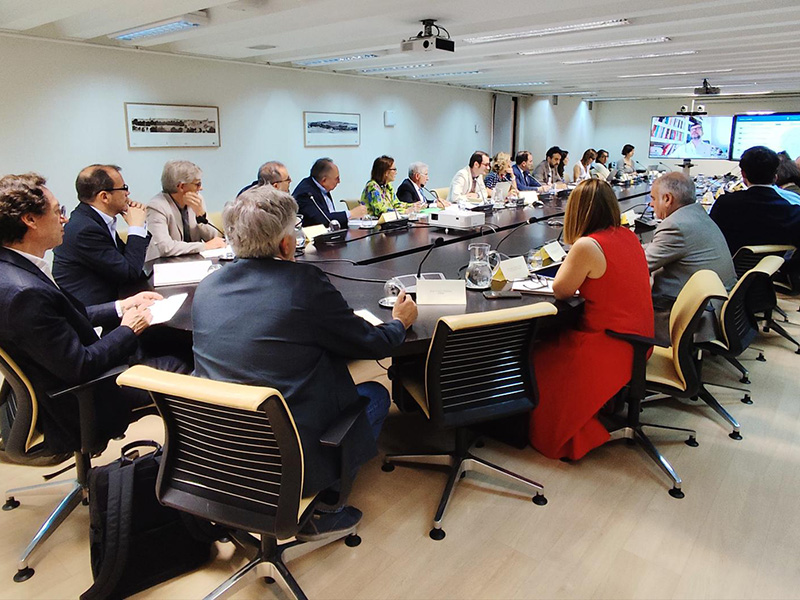
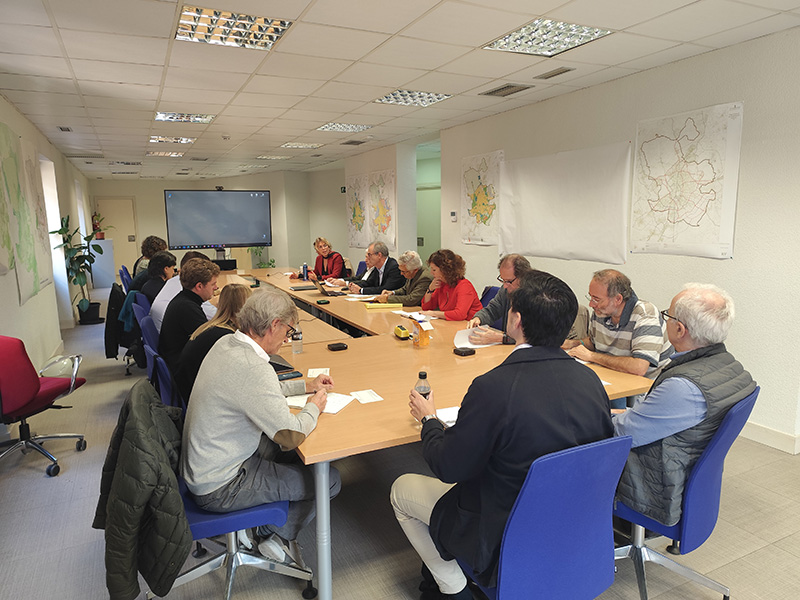
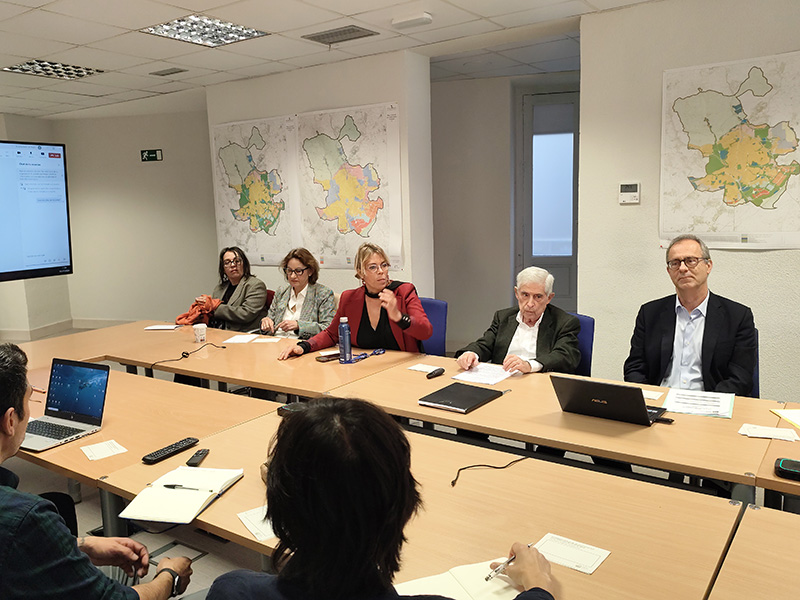
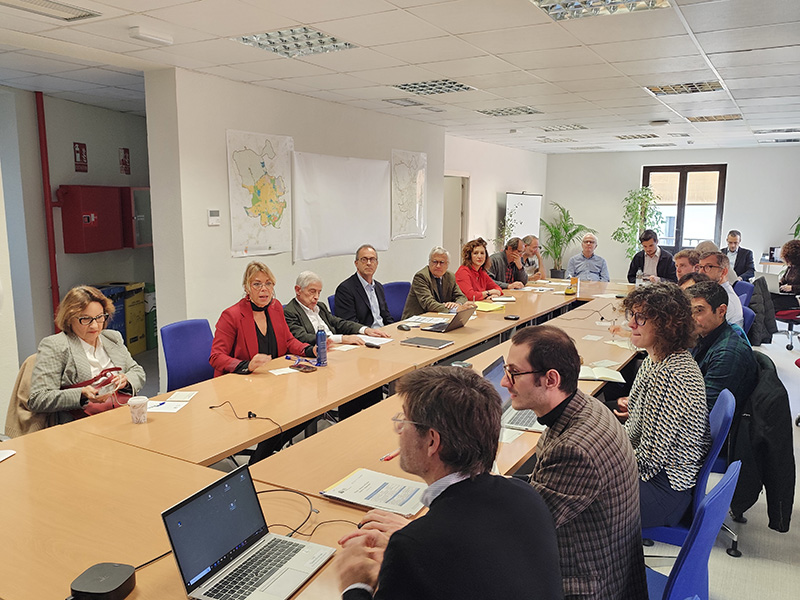
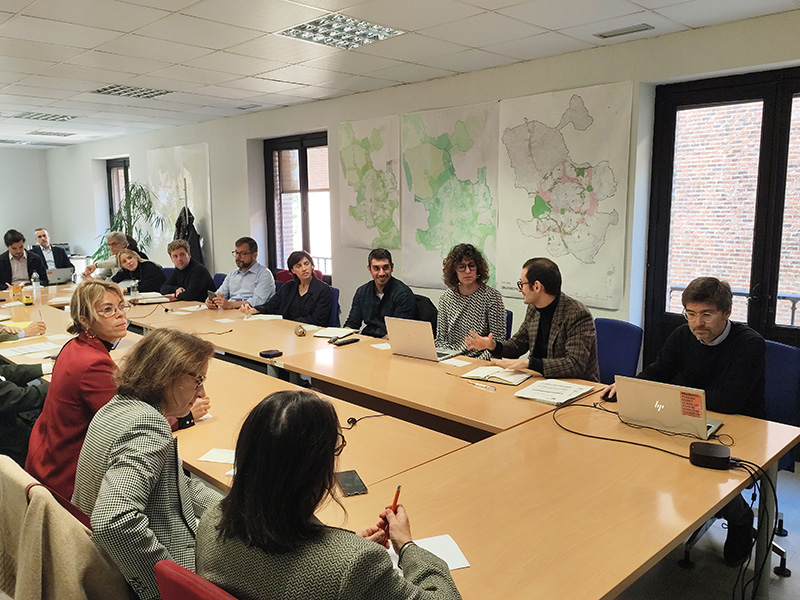
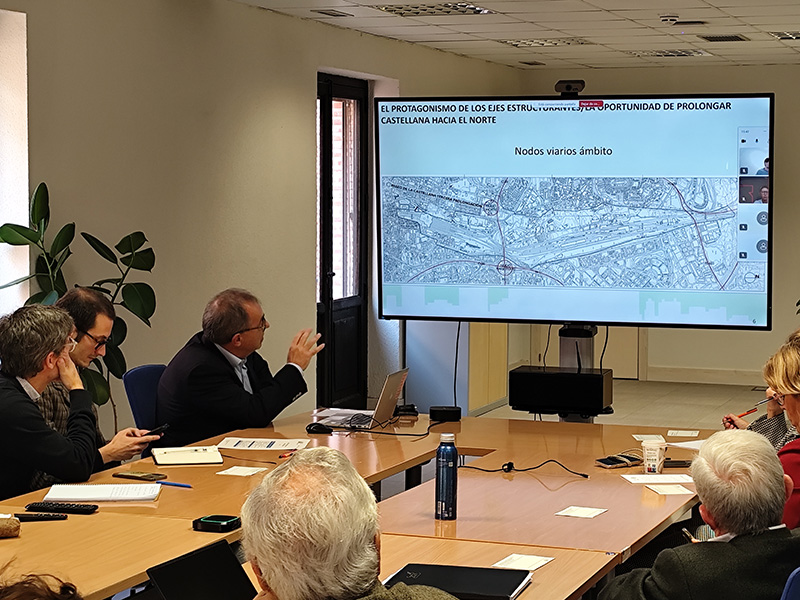
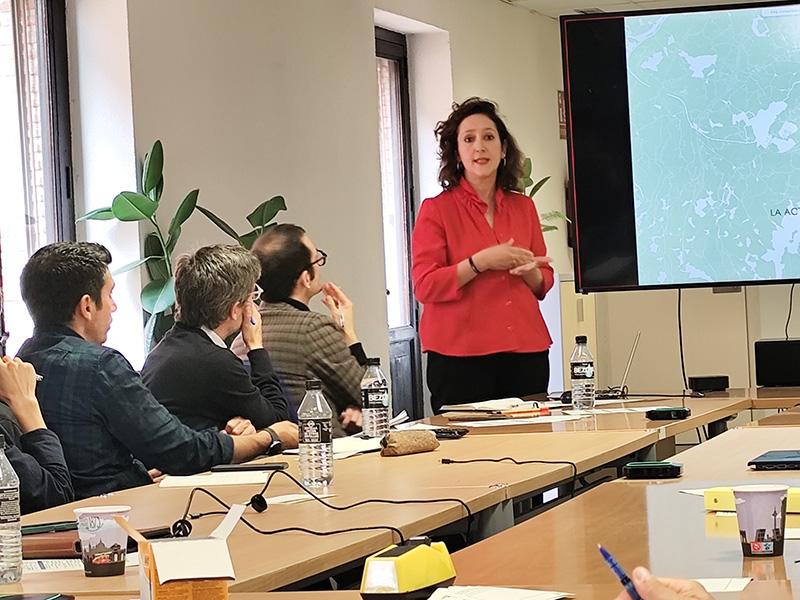
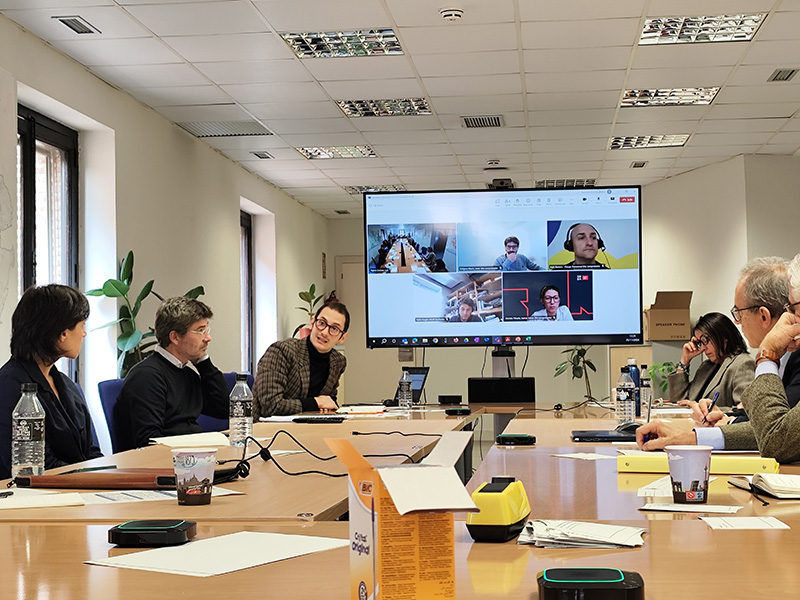
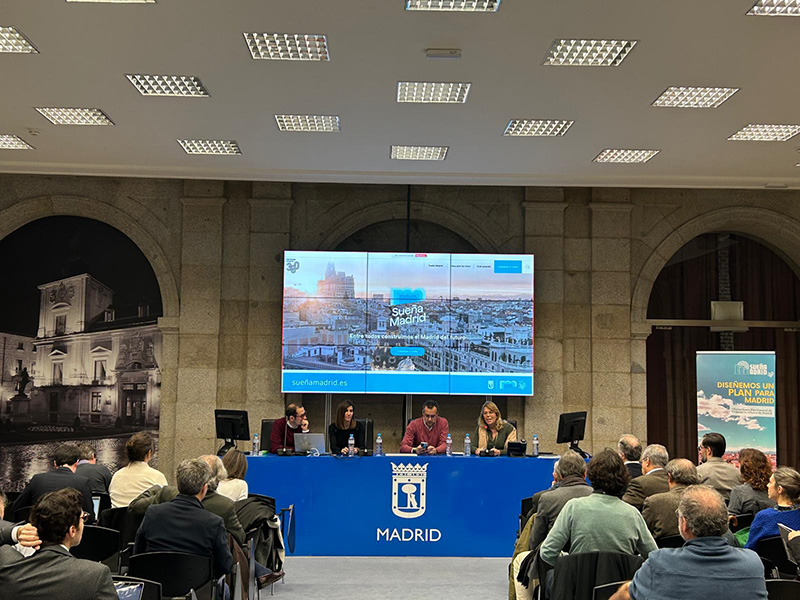
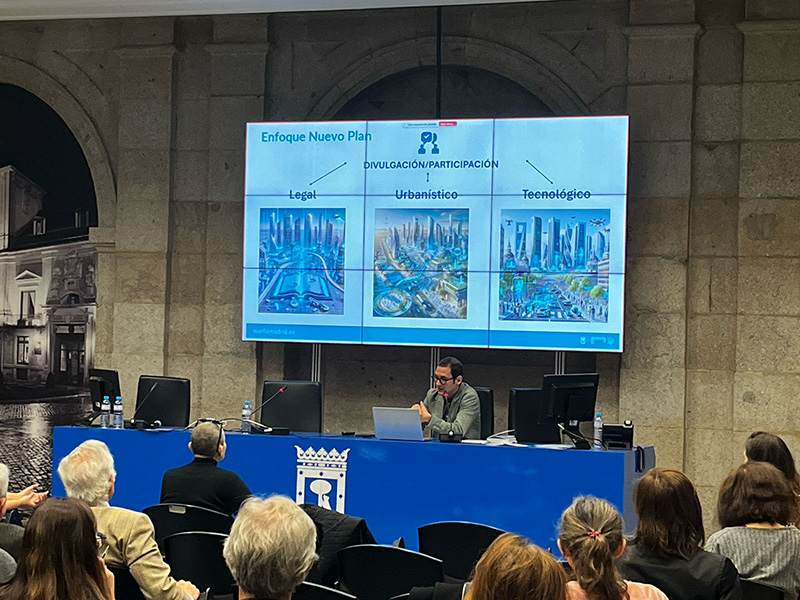
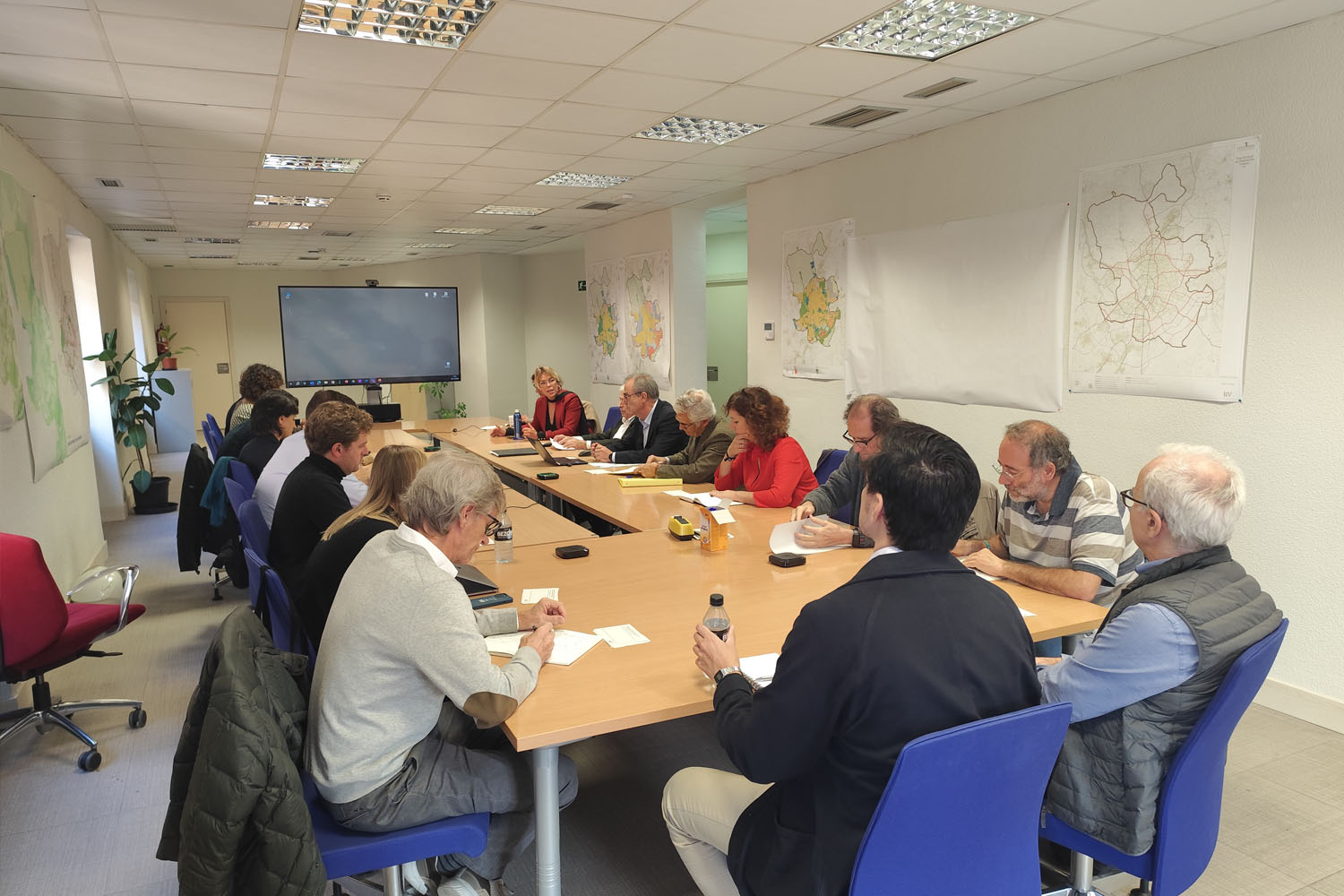
The City Model Working Group brought together around 110 participants, organised into four working groups. The first focused on thinking about the city through its major structuring axes, such as the north-south axis and a possible east-west axis, in order toidentify opportunities to organise the territory in a more balanced and efficient way. The second built on these structuring axes to explore opportunity areas that could become new urban centralities, capable of rebalancing the city and bringing services and activity closer to more people. The third analysed the construction of a polycentric urban model that requires a shared metropolitan vision beyond administrative boundaries, promoting coordination between Madrid and its neighbouring municipalities. And the fourth addressed small urban spaces, gaps, interstitial spaces, vacant plots, and leftover spaces, as a strategic opportunity to act locally without losing sight of the metropolitan scale.
Academia and universities
0
Public administration
0
Professional associations
0
Companies
0
Independent experts
0
Third sector
0
Working groups
Structuring axes
New centralities
Polycentrism and the metropolitan area
Gaps, leftover spaces, and small urban pieces: connections across scales
Ideas discussed
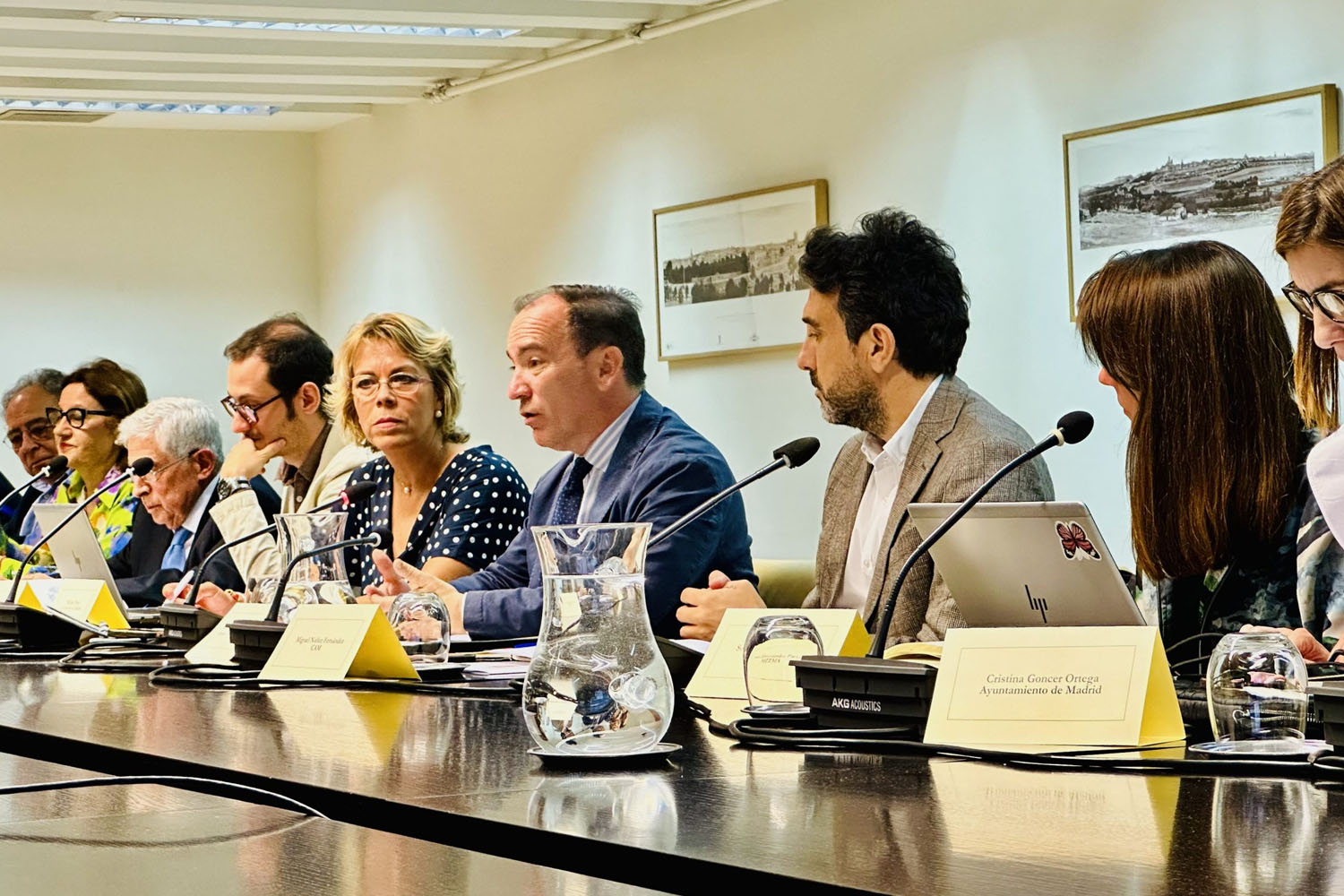
This working group involved representatives from institutional, technical, academic, and private-sector backgrounds. The City Model Group addressed the need to rethink Madrid as a polycentric, compact, mixed-use, and connected metropolis, capable of ensuring quality of life, sustainability, and territorial cohesion.
The work focused on four key areas: structuring axes as the backbone of the territory; new centralities as opportunities to rebalance the city; the metropolitan vision as a framework for collaboration with neighbouring municipalities; and urban voids as strategic spaces for local activation.
Throughout the sessions, participants emphasised the importance of having evolving plans supported by indicators that allow decisions to be adjusted in response to change. They also recognised uncertainty as an inherent condition of contemporary urbanism, one that must be managed through flexibility, innovation, and long-term vision.