The challengesofcontemporaryurbanismcallfornew approaches, and Madrid has theopportunityto lead a new citymodelbasedon data, technology, and innovation.
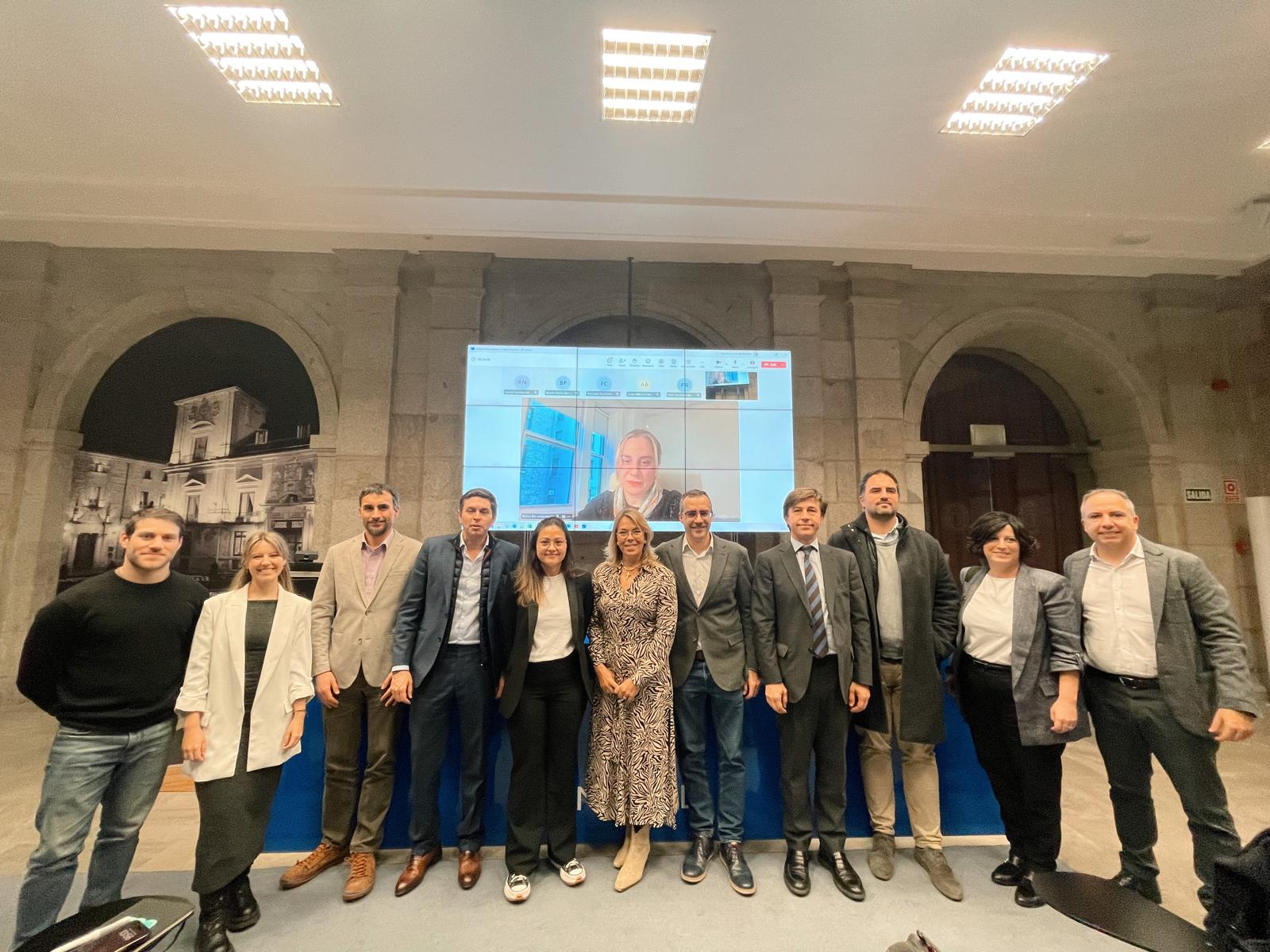
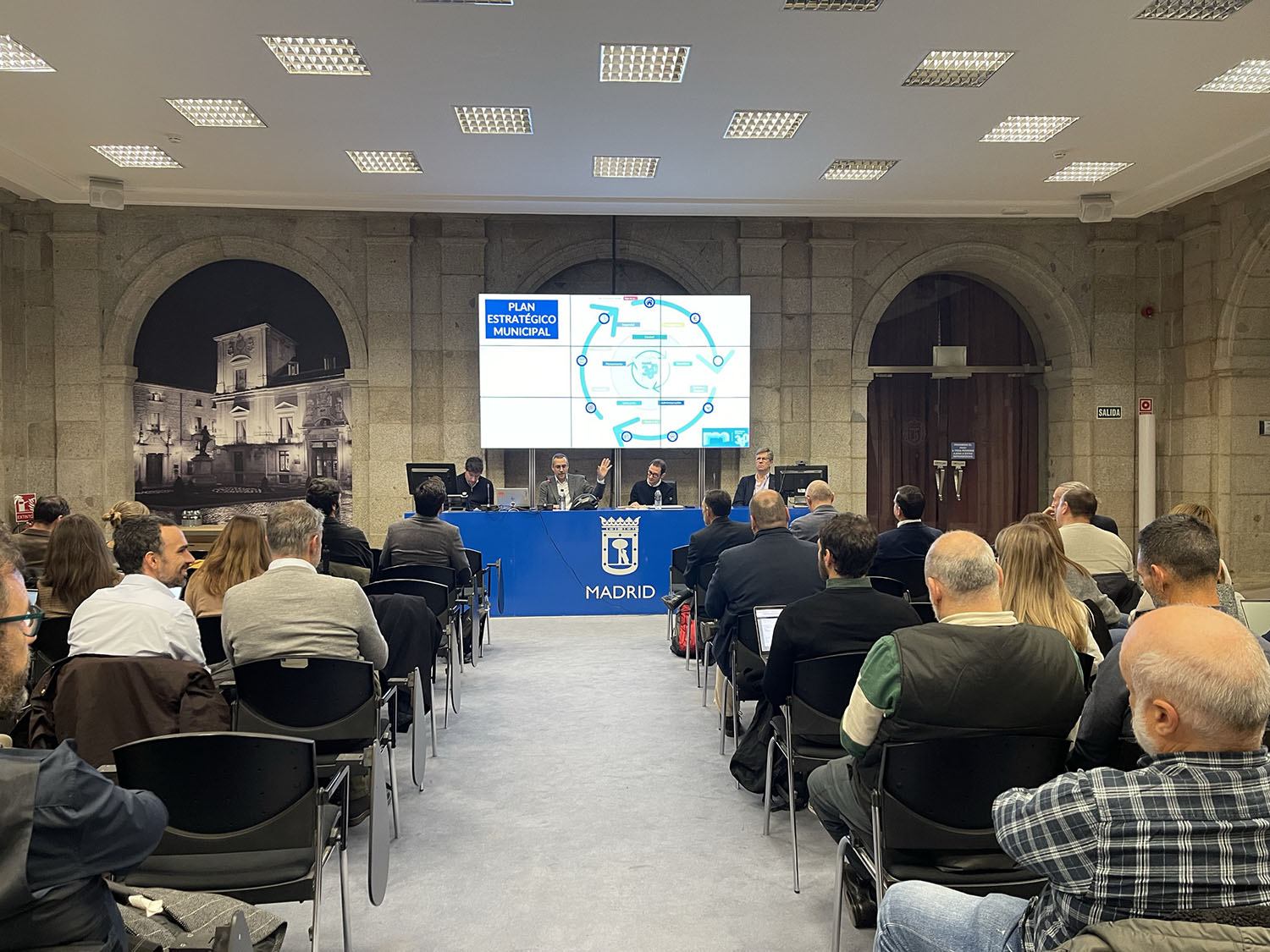
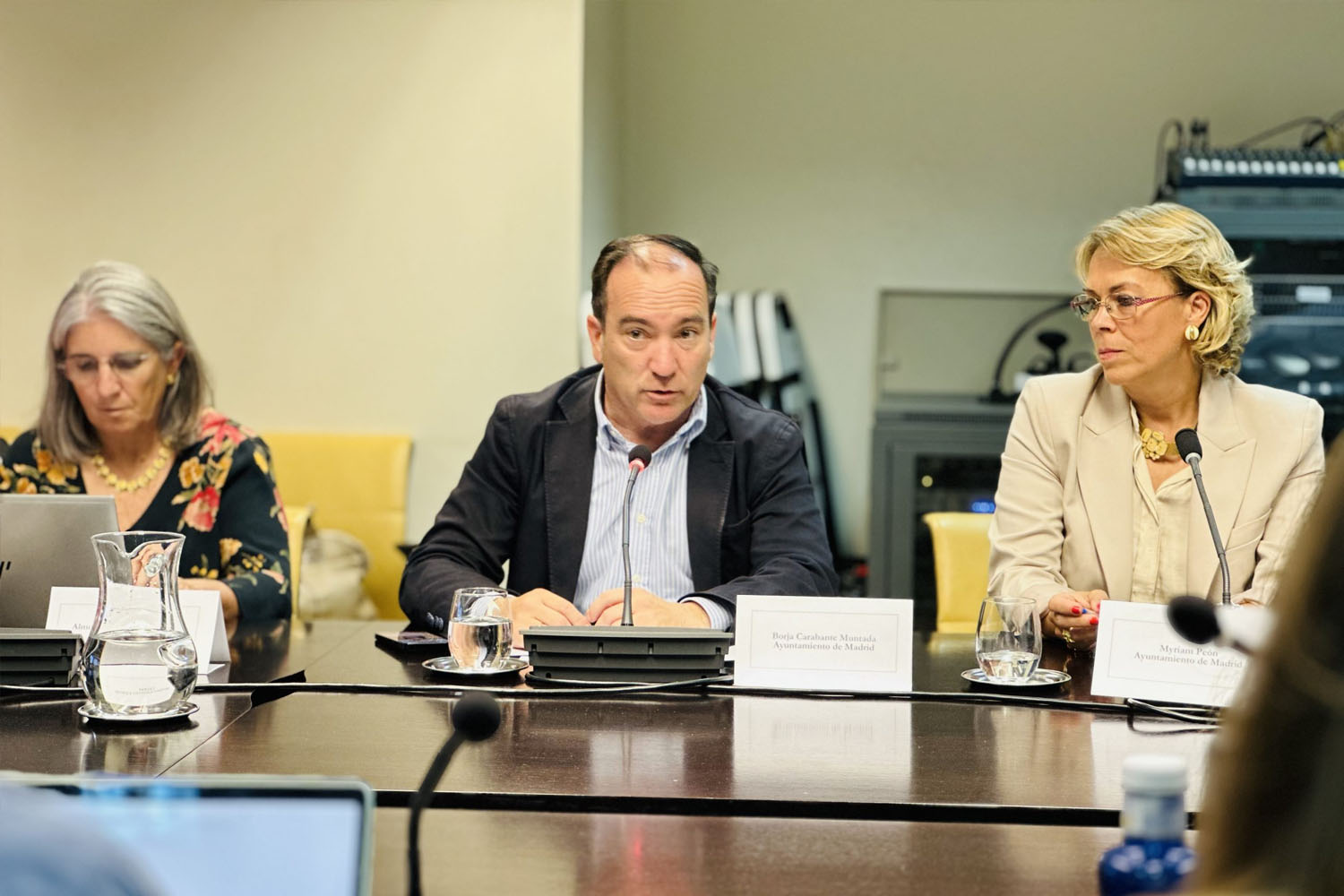
The Innovation and Digitalisation Working Group was created as a key space to imagine the future of Madrid from a technological and transformative perspective, and to address the challenge of making innovation a driver of change in urban planning, supporting a smart, adaptable, people-centred city model. The groupworkedfrom a dual perspective: a tactical one, focusedonthe City Council’scurrentcapacitytomanage data and digital tools; and a strategic one, aimed at exploringemergingtechnologiessuch as artificial intelligence, digital twins, and 3D urbanmodelling. The sharedvisionseesplanning as a living, participatoryprocess, basedon real-time data, interoperability, and scenariosimulation, one that can givethecityintelligence, resilience, and foresight.
Participants from the public, private, and third sectors
0
Working sessions
0
Participants
The Innovation and Digitalisation Working Group brought together around 150 participants and identified as a central need the transformation of Madrid’s urban planning towards a dynamic, data-driven, and citizen-participatory model. Ithighlightedtheurgentneedfor a robust digital infrastructurecapableofintegrating, analysing, and visualising real-time data, makinginformed and adaptive decision-makingpossible. Amongthepriorities are thecreationofan interoperable digital map, thedevelopmentofurbansimulatorstoanticipate future scenarios, and theimplementationoftechnologicaltoolssuch as artificial intelligence, digital twins, and automatedurban rules engines. The groupalsostressedtheimportanceofestablishing a single municipal data repository, supportedbycleargovernance and standardisedprocesses, and proposedmoving forward with a phasedroadmapbasedon concrete use cases, whilefostering agile public-privatecollaborationthat can overcomebureaucraticbarriers.
Academia and universities
0
Public administration
0
Companies
0
Third sector
0
Ideas discussed
This working group brought together representatives from institutional, technical, academic, and private-sector backgrounds, who called for planning based on data, with dynamic diagnoses, measurable goals, and accountability. The groupdebatedthe use ofstrategicsimulators, artificial intelligence, and citizenscience, and defended a flexible, modular, and progressiveapproachtotechnologythatallowsthesystemto be updated as urbanrealityevolves. For thatreason, itproposedthinkingof Madrid as a future urbanlaboratory, capableofmanagingconnectivity, adaptingtonew technologiessuch as 5G and autonomousvehicles, and ensuringanethical and inclusive use oftechnology in theserviceofcitizens. In short, thegroupconcludedthattechnologycanbecome a transformative forceforMadrid’surbanism, startingfrom a visionofplanning as a living, flexible, data-drivenprocess.