An innovative regulatoryframeworkisneeded, one that can gobeyondtheconceptsoftraditionalurbanplanning. More and more, itisbecomingclearthat Madrid needs a new planningmodel: a new frameworkthatbringsflexibility, dynamism, and simplicitytourbanplanningtools, so thatthey can respondquicklytocitizens’ needs.
The Regulatory Strategy Working Group highlighted the urgent need to transform Madrid’s urban planning model, moving beyond the current 1997 General Plan, which has become outdated both in its conception and in its operational capacity. Itbecameclearthatcurrentplanshavelosttheirplanningessence, becomingoverlyregulatory, complex, and difficultforcitizenstounderstand, withlongapprovalprocesses and littleabilitytoadaptto social, economic, and environmentalchange. Within thiscontext, thegroupopened a deepdiscussionaboutthekindofplanninginstrument Madrid needstofacethechallengesofthe 21st century. The conclusionwasthat a new legal frameworkisessential, one thatenables more agile, flexible, and strategicplanning. This new paradigmmustrestorethe forward-looking role ofplanning, simplifyregulation, and establisheffectivecollaborationwiththeCommunityof Madrid todesignaninstrumentthatrespondstothe real needsofthecity and itsresidents.
Participants from the public, private, and third sectors
0
Working sessions
0
Participants
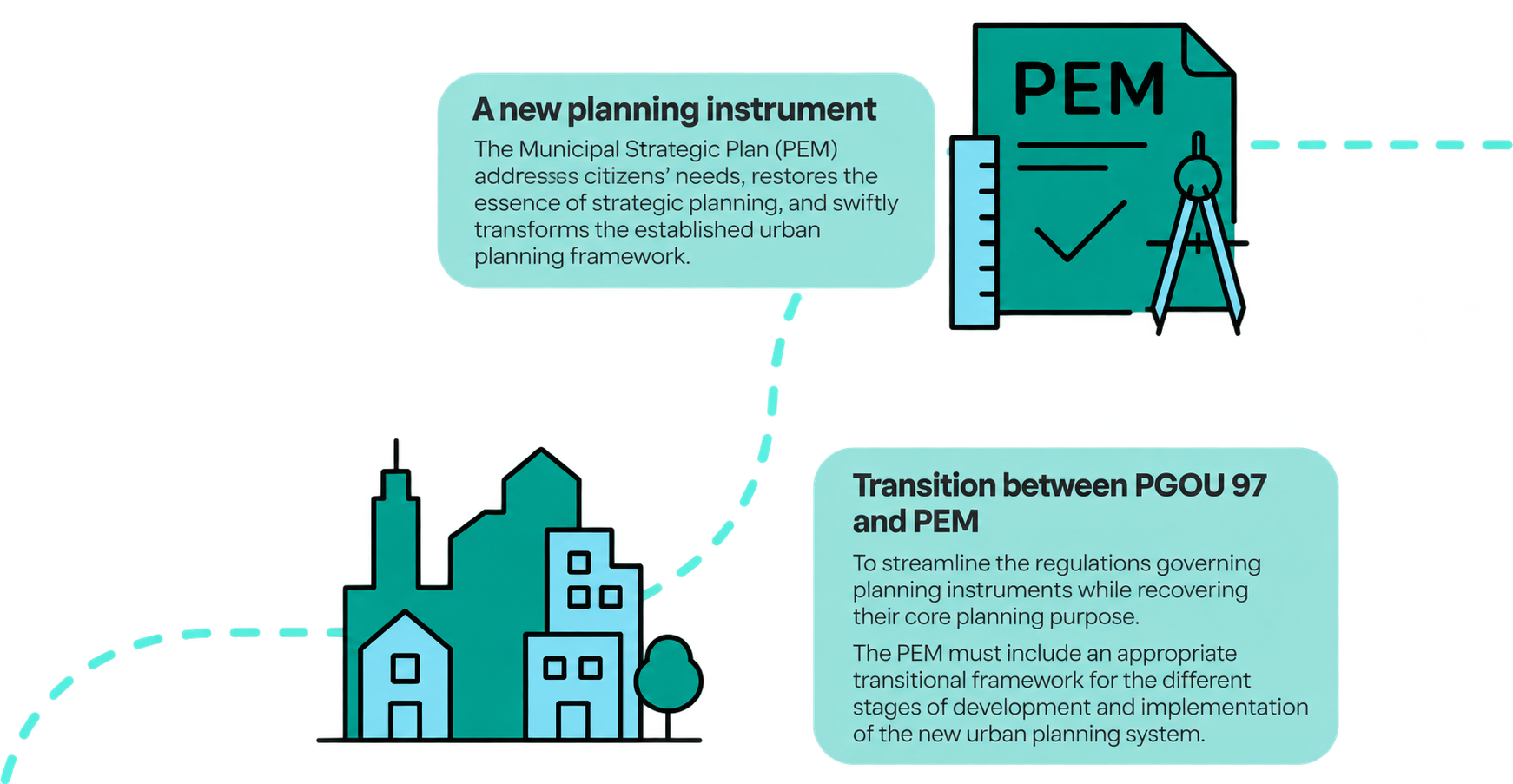
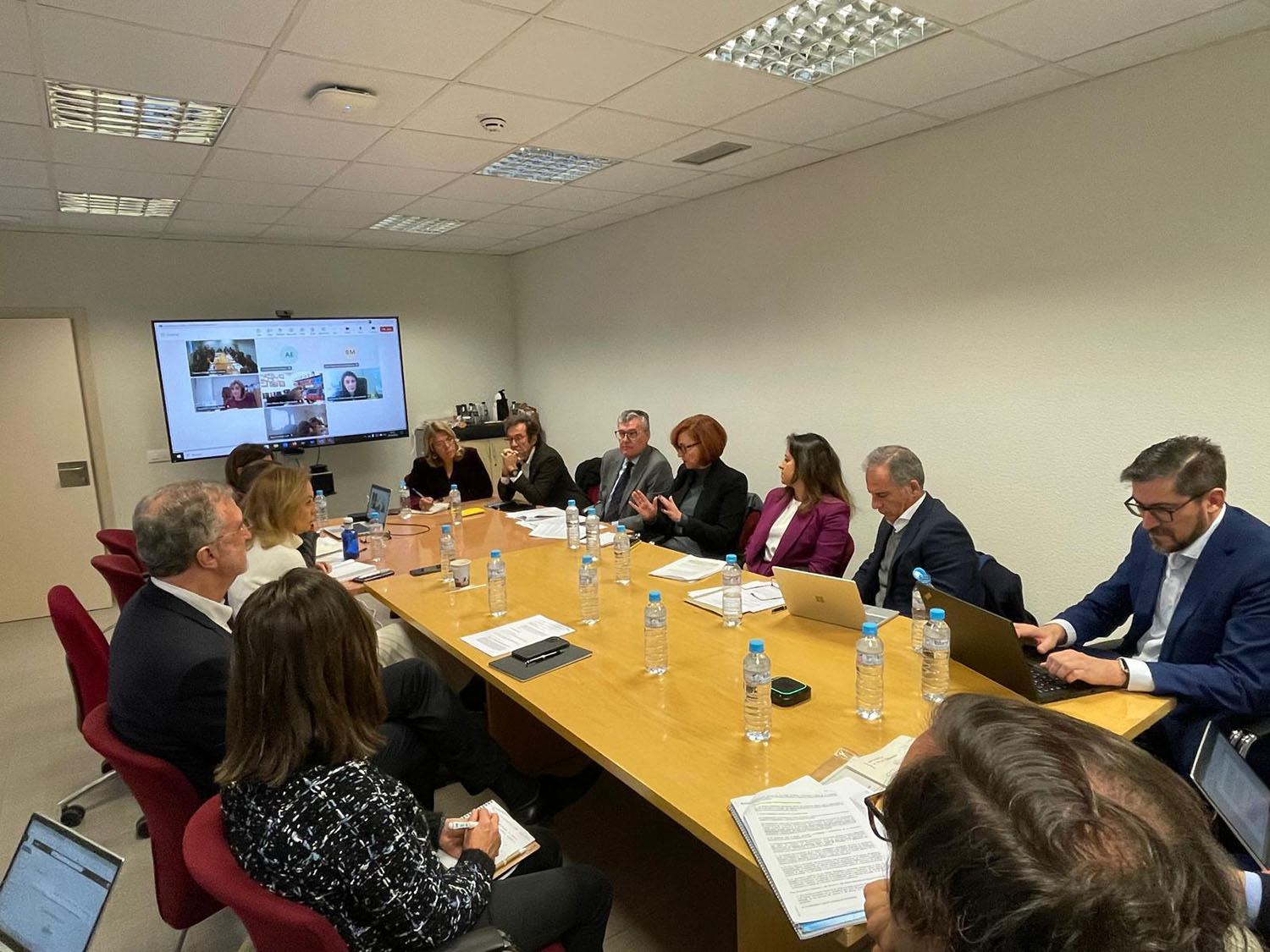
The RegulatoryStrategy Working Group broughttogether 32 participants and addressedtheurgentneedtotransformMadrid’surbanregulatoryframework, movingbeyondtherigid and complexmodelofthe 1997 General Plan. The group proposed the Municipal Strategic Plan (PEM) as a new planning instrument, one that is more agile, flexible, and adaptive, and capable of responding to contemporary challenges through a structure based on strategic objectives, priority areas, and programming criteria. This new paradigm, supportedby Law 7/2024 oftheCommunityof Madrid, seekstorestorethe forward-lookingessenceofurbanplanning, simplifyprocedures, and ensure more effectiveplanningfocusedonqualityoflife and sustainability.
Ideas discussed
This working group brought together representatives from institutional, technical, academic, and private-sector backgrounds. Their reflections began with an analysis of Law 7/2024 of the Community of Madrid, which establishes the Municipal Strategic Plan (PEM) as the new urban planning instrument that will allow cities, and Madrid in particular, to recover their planning capacity with agility, flexibility, and legal certainty. The discussionthen moved deeperintothe PEM itself: a frameworkthat defines thecity’sstructuralelements, strategicobjectives, and priorityareas, and whichtakesshape as a dynamic, indicator-basedtoolcapableofguidingurbandecision-making in real time.The PEM represents a paradigm shift awayfromtherigidregulatorymodelofthepast, embracing a more adaptive, clearerplanningapproachfocusedonthe real needsofcitizens.